Transform Your Home With Experienced Architecture Services
Upgrading a home through expert design solutions involves more than just aesthetics. It requires a deep grasp of practical layout and local building codes. Partnering with an knowledgeable design professional can address typical issues while boosting property value. The process is systematic and meticulous, assuring that every detail aligns with the homeowner's objectives. Yet, many homeowners struggle to traverse this journey effectively. What steps can they take to secure a successful working relationship?
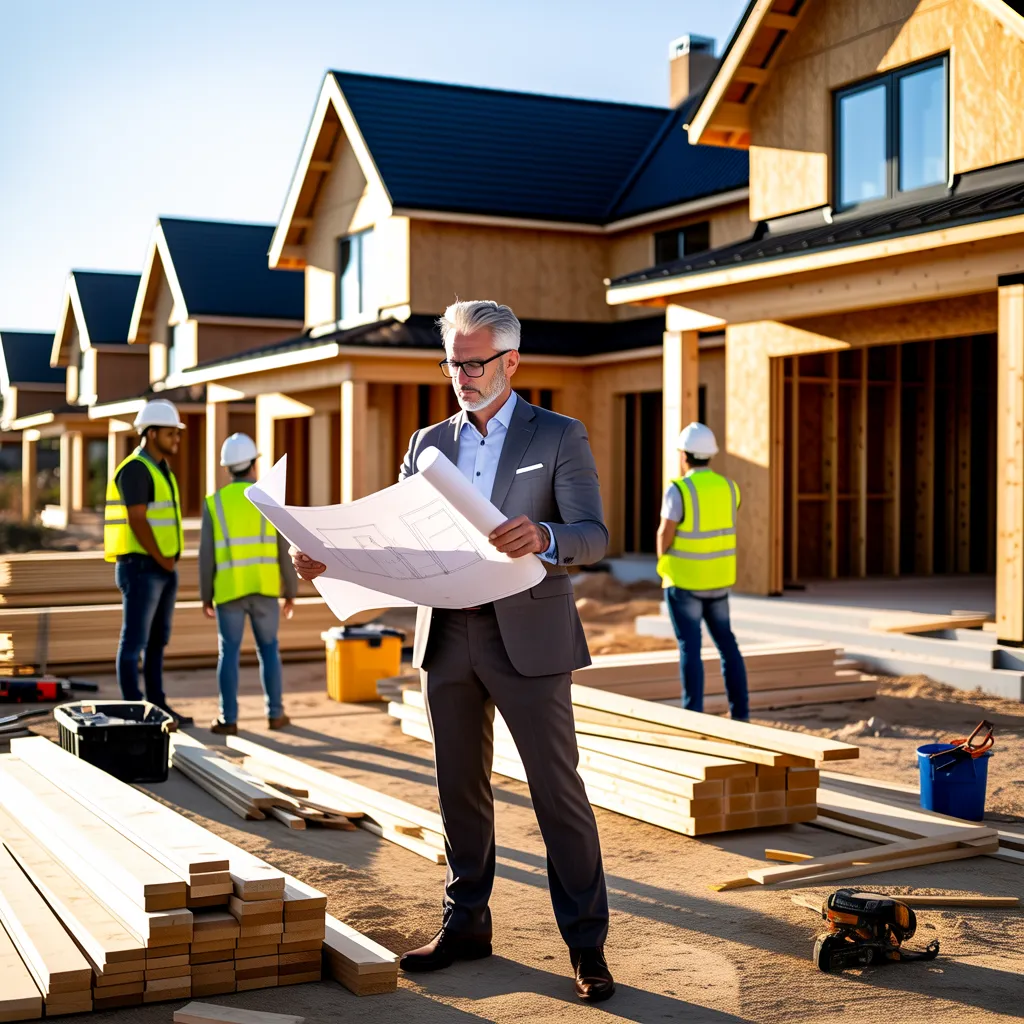
Typical Residential Design Setbacks and the Function Architects Fulfill
What makes home design so tough for countless homeowners? The complexity of merging personal design preferences with everyday needs often exhausts them. Homeowners commonly face challenges with spatial limitations, financial constraints, and legal requirements, making the design process more difficult. Additionally, many do not have the technical knowledge needed to manage structural challenges and building codes.
Architects constitute an important role in reducing these difficulties. Their expertise enables them to address the subtleties of architecture, making sure that a homeowner's objective harmonizes with concrete circumstances. Architects can present novel approaches to enhance space while following health requirements. They also participate in building connected designs that showcase the homeowner's preferences. By sharing knowledge into substances and construction techniques, architects assist expedite the choice-making phase. In the end, their proficiency translates a seemingly overwhelming project into a joint experience, encouraging a well-balanced balance between originality and usefulness in home planning.
Reasons to Team Up With a Professional Architect
Partnering with a expert designer strengthens the home design experience by blending expert knowledge with the owner's dreams. Architects offer a extensive background in design practices, building codes, and green methods, making certain that the project not only achieves aesthetic goals but also follows regulations. Their capacity to imagine and explain complex ideas facilitates adapting conceptual frameworks into practical designs.
Moreover, architects can offer innovative approaches to layout obstacles, refining functionality and layout. They also oversee the complications of the building process, liaising with contractors and suppliers to maintain finances and schedules are followed. This skilled oversight minimizes mistakes and reduces the anxiety tied to home renovation or building. Ultimately, engaging with an architect produces a cohesive, well-crafted space that embodies the homeowner's essence while enhancing overall property value.
What Represent the Key Phases in the Building Design Process?
How does the building design process develop from article initial idea to finish? The journey begins with an first meeting, where the architect and client discuss objectives, requirements, and budget. This phase is crucial for establishing a distinct direction. Next, the architect conducts location evaluation, evaluating factors like terrain, climate, and building codes.
Next, the conceptual stage begins. During this time, preliminary drawings and digital representations are created, letting the client to picture the project. After the design is finalized, the architect puts together comprehensive technical documents, with specifications and drawings.
With necessary permits obtained, the project enters the building stage. The architect often works with contractors to ensure that the plan is executed correctly. Regular site visits and evaluations help maintain quality and compliance to the initial vision. Finally, the project culminates in a walkthrough, verifying that the finished structure satisfies the client's expectations before the official handover.
How Should You Find the Perfect Architect for Your Home?
Choosing the appropriate architect for a home requires thoughtful reflection and research. Prospective homeowners should begin by clarifying their particular needs and financial constraints, which will inform their search. Guidance from contacts, relatives, or real estate professionals can furnish worthwhile connections. Online portfolios and reviews assist in appraising an architect's previous projects and customer satisfaction.
Next, prospective parties should engage several prospects to determine their speaking approach, experience, and approach to design. It's essential to discuss timelines and project expectations to guarantee alignment. Additionally, checking credentials and verifying appropriate certifications and licenses can circumvent future complications.
Ultimately, property owners should follow their instincts. The ideal architect should not only demonstrate the necessary skills but also complement the homeowner's vision and beliefs. This synergy establishes a productive atmosphere, in the end generating a successful partnership in developing a perfect residence.
Techniques to Relay Your Vision Powerfully
Communicating a objective for home design proficiently is essential for a productive cooperation between property owners and architects. To realize this, homeowners should begin by explicitly specifying their requirements and selections. Assembling a visual collection with images, colors, and textures can help conveying visual desires. Additionally, specifying functional requirements, such as space allocation and layout, guarantees that the specialist understands operational components.
Home owners should also take part in open dialogue, encouraging questions and feedback to refine their concept. Frequent discussions during the planning phase foster teamwork and openness. Using straightforward language to convey ideas and concerns can avert confusion and help match expectations.
In conclusion, staying open to the architect's proficiency facilitates a more dynamic exchange of ideas. By blending personal vision with professional insight, homeowners can build a constructive relationship that creates a beautifully designed space embodying their aspirations.
How to Plan finances for Architecture Solutions
While beginning a home design project, establishing a budget for architecture services is essential to avoid financial strain later. Homeowners should begin by researching typical fees in their area, which can vary based on the project's complexity and the architect's experience. It is recommended to allocate a percentage of the overall project cost specifically for architectural services, typically ranging from 5% to 15%.
Next, prospective customers should assess the scope of services needed—whether they require full design and project oversight or only initial consultations. Participating in open dialogue with potential design professionals regarding their cost arrangements can shed light on pricing.
Additionally, homeowners should account for possible changes and unforeseen costs, creating a financial cushion in their budget. By explicitly establishing their financial parameters upfront, clients can ensure they select an architect who matches their goals while remaining within their financial boundaries.
Often Requested Queries
What Design Styles May I Choose for My Home?
Homeowners have the opportunity to choose from various design approaches, including modern, traditional, colonial, Mediterranean, and contemporary. Each style presents unique visual character and practical benefits, allowing individuals to reflect personal taste while taking into consideration regional influences and environmental factors.
How Much Time Does the Architectural Process Typically Need?
The architectural procedure typically demands a number of months, depending on project complexity, design approvals, and local ordinances. Components such as client feedback and construction schedules can also influence the timeframe greatly across the duration.
Can Architects Offer Assistance With Environmental Planning Possibilities?
Architects can certainly help sustainable design options. They incorporate eco-friendly materials, energy-efficient systems, and innovative layouts, ensuring projects minimize environmental impact while enhancing functionality and aesthetic appeal, aligning with clients' sustainability goals effectively.
What Requirements Should I Consider in an Architectural Expert?
When choosing an architect, one should evaluate their education, licensure, expertise with similar undertakings, collection demonstrating their aesthetic approach, and knowledge of local building codes. Interpersonal abilities and client testimonials also serve as important factors in the decision-making process.
How Do Design Professionals Manage Zoning and Permit Challenges?
Architects handle regulatory challenges by performing comprehensive analysis on local regulations, assembling required paperwork, and liaising with municipal authorities. Their knowledge guarantees compliance, expediting the approval process for client projects effectively.
Comments on “Complete Richmond Top Home Architecture Services for Exceptional Results”